


The Department of Diabetology at Poona Hospital and Research Centre provides comprehensive diabetes care to diagnose and educate patients on living a healthy lifestyle with diabetes. The department also features a dedicated Diabetic Foot Clinic.
Diabetic Foot is one of the major complications of Diabetes Mellitus In the world, every 30 seconds a limb or part of a limb is amputated directly as a complication of diabetes. Poona Hospital & Research Centre has recently started a dedicated Diabetic Foot Clinic.
The Diabetic Foot clinic offers a wide range of modalities for diagnosing and quantifying Neuropathy in Diabetic Foot. Preventive foot care and management of ulcers with specialized dressings is available.
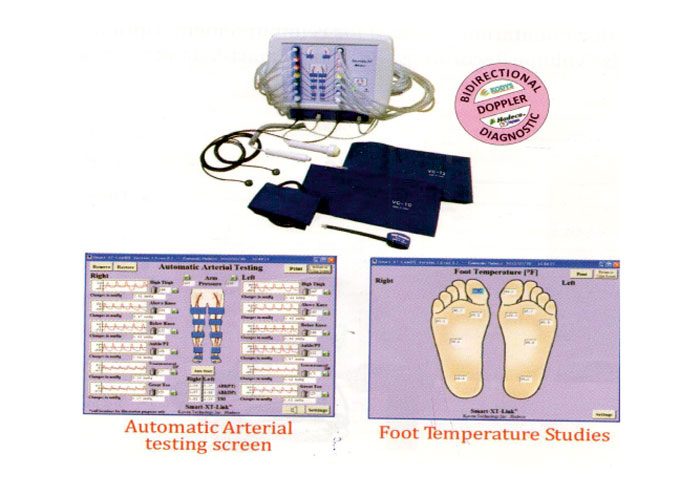
The Hadeco Smartdrop XT is fully automatic total vascular testing system for ABI and TBI studies that works with a Windows software Smart -XT- Link including automated blood pressure & pulse volume measurement capabilities for up to 14 sites.
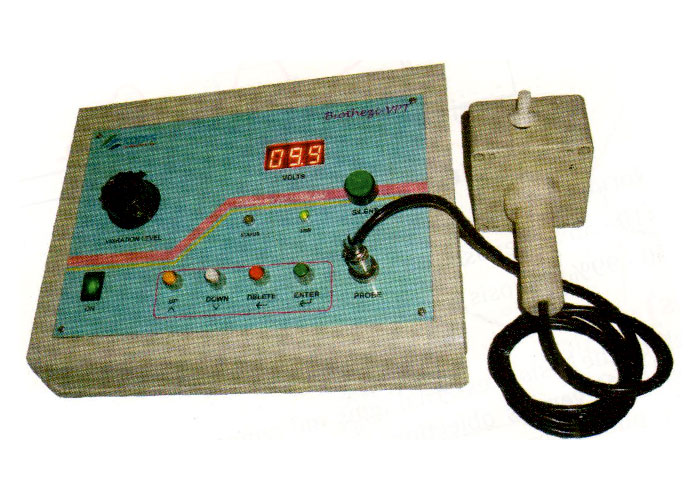
The Biothezi - VPT is used to assess VPT. Computer USB interface, Digital display meter,which delivers vibrations of increasing strength.
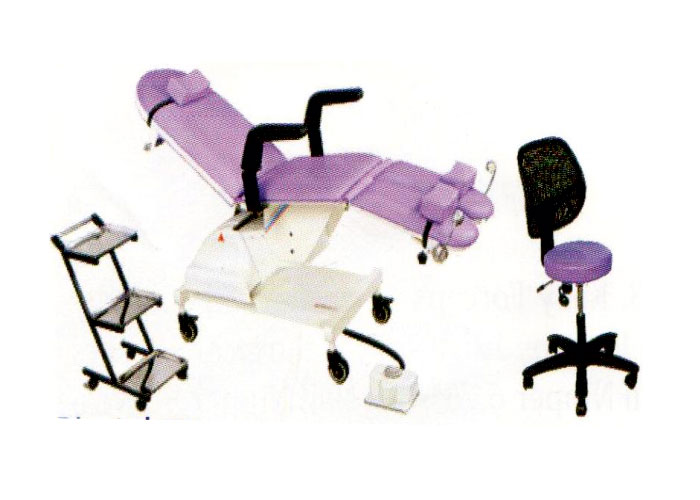
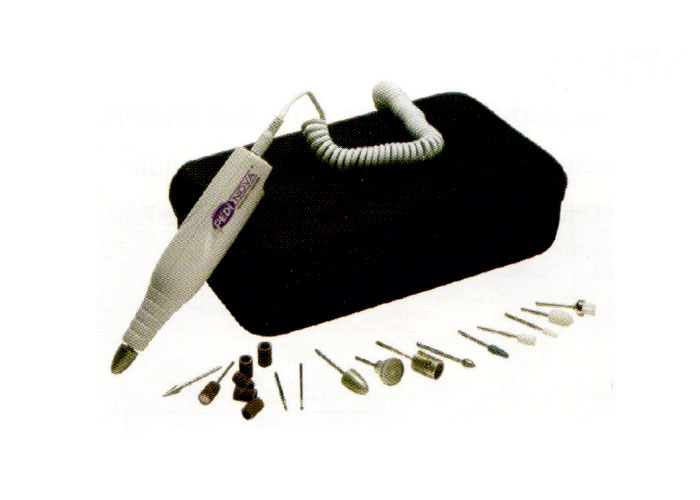
Special Features of Diabetes Clinic are:
- Team of expert doctors and staff
- Diabetes checkup comprehensive packages.
- Diet, exercise lifestyle modification advice
- Management and guidance for diabetes complications including specialty services in Cardiology, Ophthalmology, Podiatrics, Nephrology, Haepatology & Obesity providing comprehensive care.

Dr. Gauri Damle
Education: M.D.(Med)
Specialties: Diabetology
Dr. Bhaskar B. Harshe
Education: M.D.(Med)
Specialties: Diabetology